

How We Use Lemlist for Outreach That Starts with Evidence
How Notis structures Lemlist outreach around relevant pages, verified contacts, exact-message review, and honest campaign evidence.
The easiest way to make outreach worse is to make irrelevant outreach faster.
A founder can collect a list of websites, ask an AI to write something flattering, and fill a campaign before answering the only question that matters: why would this person want to hear from me?
We use Lemlist for outreach operations at Notis. Our existing link-building work includes campaigns for editorial mentions and relevant listicle placements. Around those campaigns, we have a research and qualification process that asks for evidence before a contact reaches the sending stage.
This is a process write-up, not a claim about backlinks won. Some of our stored campaign counters and notes need reconciliation, so I am not going to turn them into a tidy performance story. The useful part is how we decide what belongs in a campaign at all.
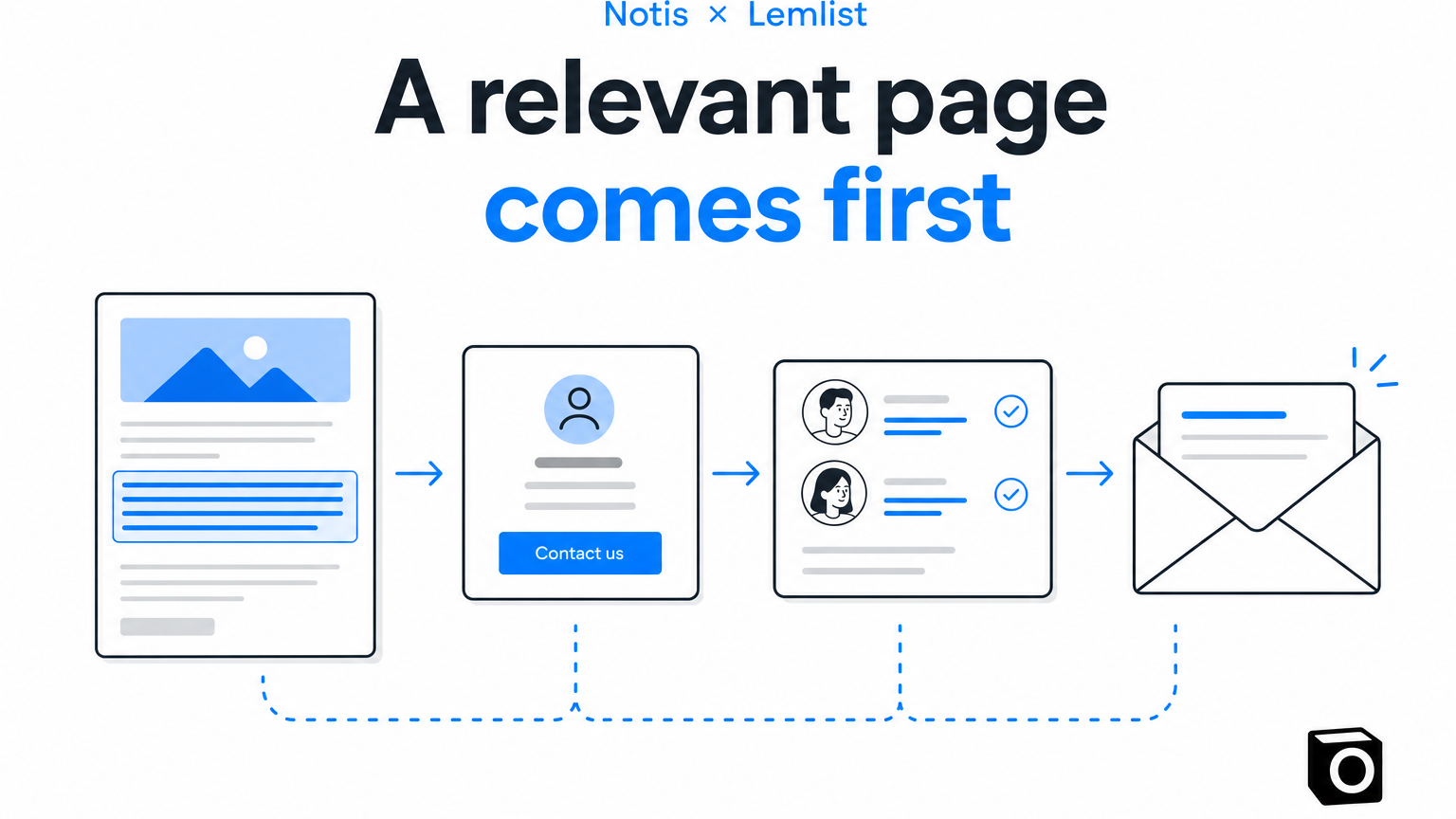
Start with the page, not the email address
Notis is an assistant that can work across messages, documents, connected tools, and a computer. That gives us plenty to talk about. It does not make every website about AI a relevant place for our articles.
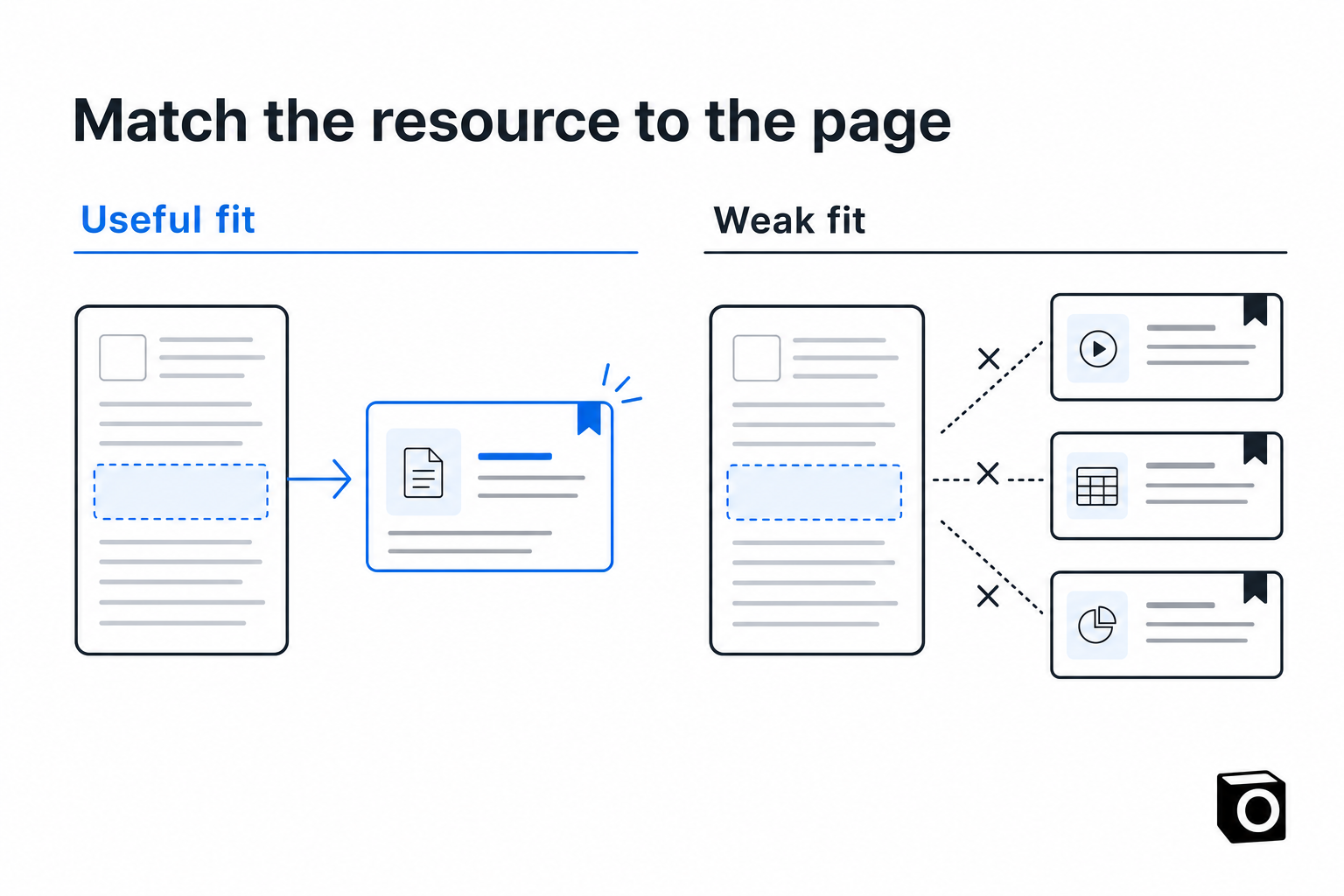
Our link-building guidance starts with a specific resource and a specific editorial page where that resource could add something useful. A page comparing personal assistants might have an obvious reason to mention a thoughtful assistant guide. A generic technology news item probably does not.
The question is not whether the publisher has authority. It is whether the proposed addition helps the reader of that page.
For me, that is the first quality check. If I cannot point to the paragraph or section where the resource belongs, I do not yet have an outreach angle. I have a domain name.
Keep the evidence attached to the opportunity
Our qualification guidance asks for the source page, target article, proposed anchor, fit explanation, and relevant query. Those details belong with the opportunity instead of living only in the agent’s working memory.
A fit explanation should say what is missing and how the resource helps. “Great website, relevant audience” is not enough. That sentence could describe almost anything and therefore helps me review almost nothing.
Here is an illustrative example, not a record of a particular publisher: a comparison article explains several assistants but lacks a section on delegation through messaging apps. If our resource directly explains that workflow, there may be an editorial reason to suggest it. If the resource is only loosely related, the right outcome is rejection.
The benefit of writing the reasoning down is practical. I can inspect a decision without reopening the whole research task. Another agent can continue the work without inventing a new justification.
Find a contact after the opportunity makes sense
Once the page has a defensible fit, the next question is who could actually act on the suggestion. Editorial, content, partnerships, or the owner of a small publication can be relevant, depending on the site.
Our process calls for named professional contacts and verification. It does not treat a guessed address as a completed research result.
There is also a cost reason to order the work this way. Enriching every domain before checking relevance means paying to learn more about people you should never contact. We qualify first and enrich the candidates that survive.
I think this is where an assistant can be especially useful: doing the repetitive checking while leaving a clear trail of why an opportunity passed or failed. The judgement still needs criteria. “Find me leads” is a thin brief.
What Lemlist does in the workflow
Lemlist is the campaign and outreach layer. Notis holds our research context and qualification guidance, and the connected service gives the workflow somewhere to manage the resulting outreach.
Lemlist’s developer documentation covers campaigns, sequences, leads, activities, and other outreach objects. It also describes an MCP connection for working with Lemlist from an assistant. That matches the integration pattern we use: the assistant can reach a specialist tool without pretending that every specialist function should be rebuilt inside Notis.
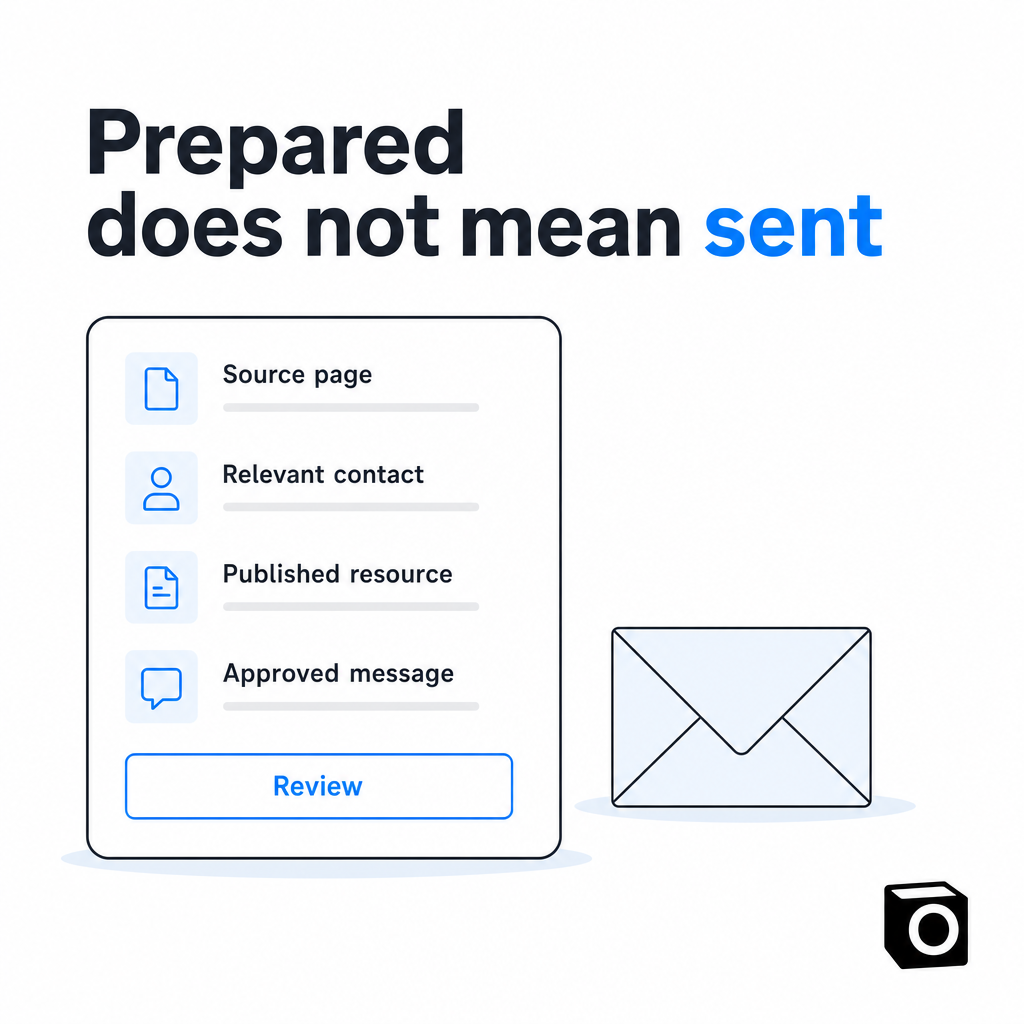
The important boundary is between a researched opportunity and an authorised send. A campaign record can exist while its copy still needs review. A contact can be imported while the campaign is not ready. Neither fact means an email should leave the account.
Review the exact message and the actual resource
Before sending, I want the review to include the precise recipient, subject, body, and destination link. The resource should already exist in its approved, published form. A promising draft sitting in an inbox is not something a publisher can evaluate.
For provider customer-story outreach, the ask should be explicit: would they consider featuring how we use their product? The article gives them something concrete to assess. It should explain real implementation choices, not inflate an ordinary integration into an invented growth breakthrough.
For our new provider articles, that sequence remains review, approval, publication, then outreach. Preparing the research or the campaign does not skip those steps.
A useful message can be direct without being presumptuous. Say what you use, why the story might interest their audience, and what you are asking them to do. Then let them decide.
Reconcile the campaign before refilling it
Our operating guidance also checks the campaign’s queue, sender readiness, sequence, and existing contacts before importing more leads. Deduplication has to cover the relevant records, not just whatever happened to fit on the first results page.
If a campaign was paused by a person, the operator should not interpret “refill the queue” as permission to undo that decision. If provider state cannot be read reliably, adding more work does not resolve the uncertainty.
This is particularly relevant to our current records: some stored notes and counters do not agree. They are useful evidence of an operating process, but they are not a trustworthy scoreboard until reconciled against the provider. I would rather leave the performance section unwritten than report a number because it is conveniently available.
The first useful deliverable is a reviewable opportunity
If you are starting a similar workflow, choose an article you genuinely want somebody to cite. Find a relevant page. Explain the fit in plain English. Identify the right contact. Prepare the exact message. Review the whole package before launching a sequence.
That is the role I want Lemlist and Notis to play together. Notis helps organise the research and context. Lemlist handles the specialist outreach operations. A smaller set of defensible opportunities is a better starting point than a large queue nobody can explain.

Flo is the founder of Mind the Flo, an Agentic Studio specialized into messaging and voice agents.
Related posts
How We Use Datafast to Inspect the Journey from Visit to Signup
Inside Notis’s Datafast setup: signup events, checkout handoffs, and the attribution checks we still need before trusting the revenue story.
How Notis Uses Mailgun for Threaded AI Email Replies
How Notis uses Mailgun’s EU API to return assistant work in email threads, with clear boundaries between replies and lifecycle notices.
How We Use PostHog to Measure Finished Work at Notis
How Notis uses PostHog for agent outcomes, errors, and feature flags—and why a tool call is not the same as finished work.