

The Explainer We Almost Made (and Why We Changed It)
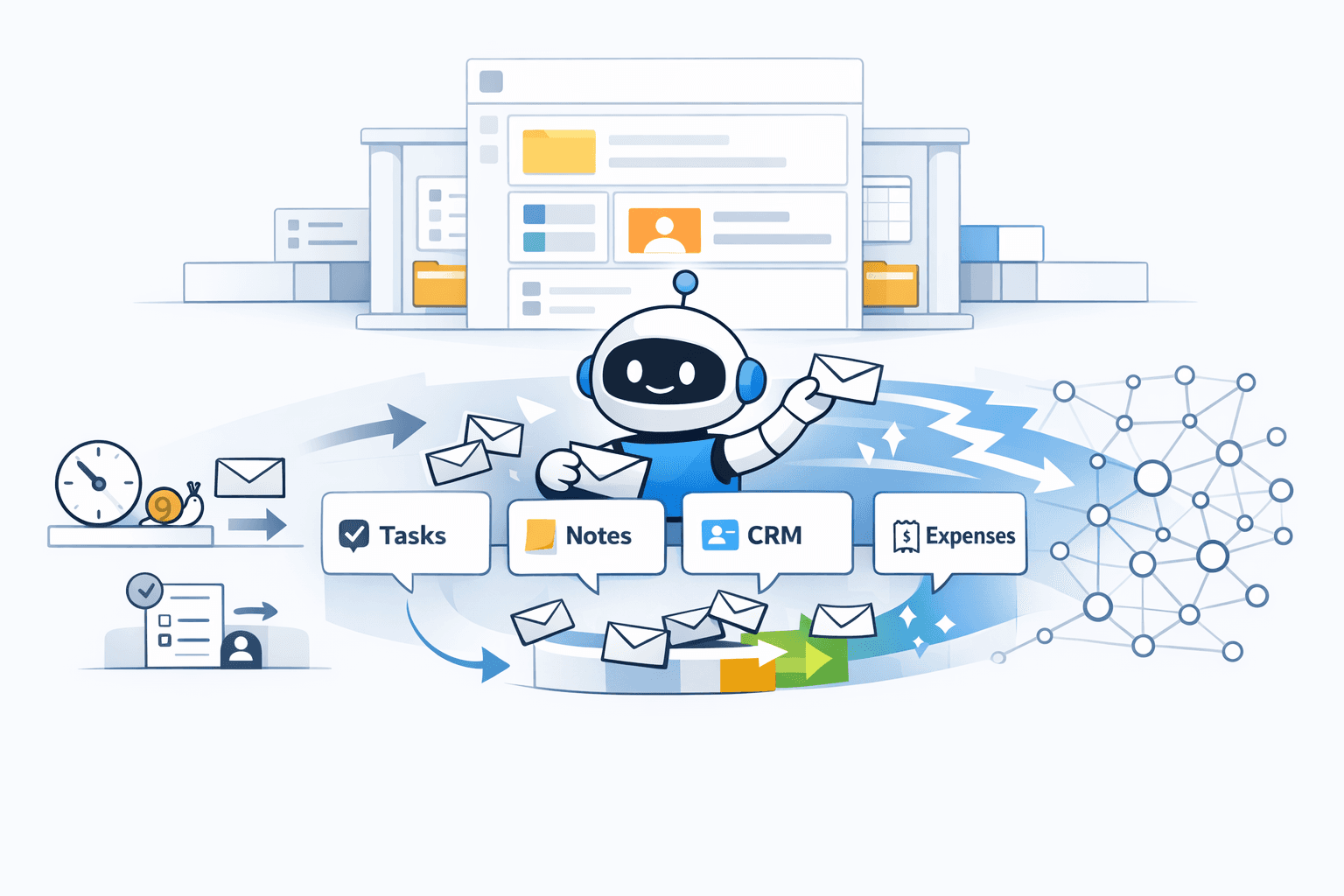
The explainer video for Notis was reworked to shift focus from merely summarizing meetings to emphasizing how it helps users manage tasks seamlessly, acting like an AI intern that organizes work without disrupting communication. The narrative highlights the continuous updating of notes, tasks, and expenses in Notion, aiming to resonate with busy founders seeking to reduce clutter and improve workflow efficiency.
I used to think an explainer video was basically a polite feature tour. Then I rewatched most SaaS explainers and realized the ones that work are doing something else entirely: they’re compressing a point of view into sixty seconds. Not “here’s what we built,” but “here’s why your life is about to feel lighter.” That’s the mindset shift that reshaped our Notis explainer.
Why we stopped leading with meeting summaries
Meeting summaries are useful, but they’re not a story anymore. The market is full of tools that record, transcribe, and spit out a decent recap. Even the big players are moving beyond plain transcripts into “assistant that can answer questions about all your meetings,” which tells you everything: summaries are table stakes.
For Notis, leading with meeting summaries was quietly putting us in the wrong category. Notis isn’t a meeting product. Notis is what happens after you say things out loud.
The question I kept coming back to in the script review was simple: if someone watches this video, do they walk away thinking “cool, another summarizer,” or do they feel “wait… my workspace can update itself”?
The higher-value promise: work that moves while you keep moving
When we rewrote the core of the explainer, we replaced the “meeting output” vibe with founder workflows that actually compound.
I’m talking about the things that keep slipping because they’re small, frequent, and annoying. A task that should’ve been captured. A note that should’ve been cleaned up and filed. A CRM update that you’ll “do later” (you won’t). An expense that will be a problem the week before taxes.
That’s the center of gravity for Notis: tasks updated, notes organized, CRM that doesn’t sleep, expenses that get filled—quietly, continuously, and without you switching apps.
And the punchline is not the automation itself. The punchline is the result: everything ends up neatly organized in Notion, where it belongs.
The metaphor that made everything click: an AI intern in your messages
People don’t want another dashboard. They want a colleague.
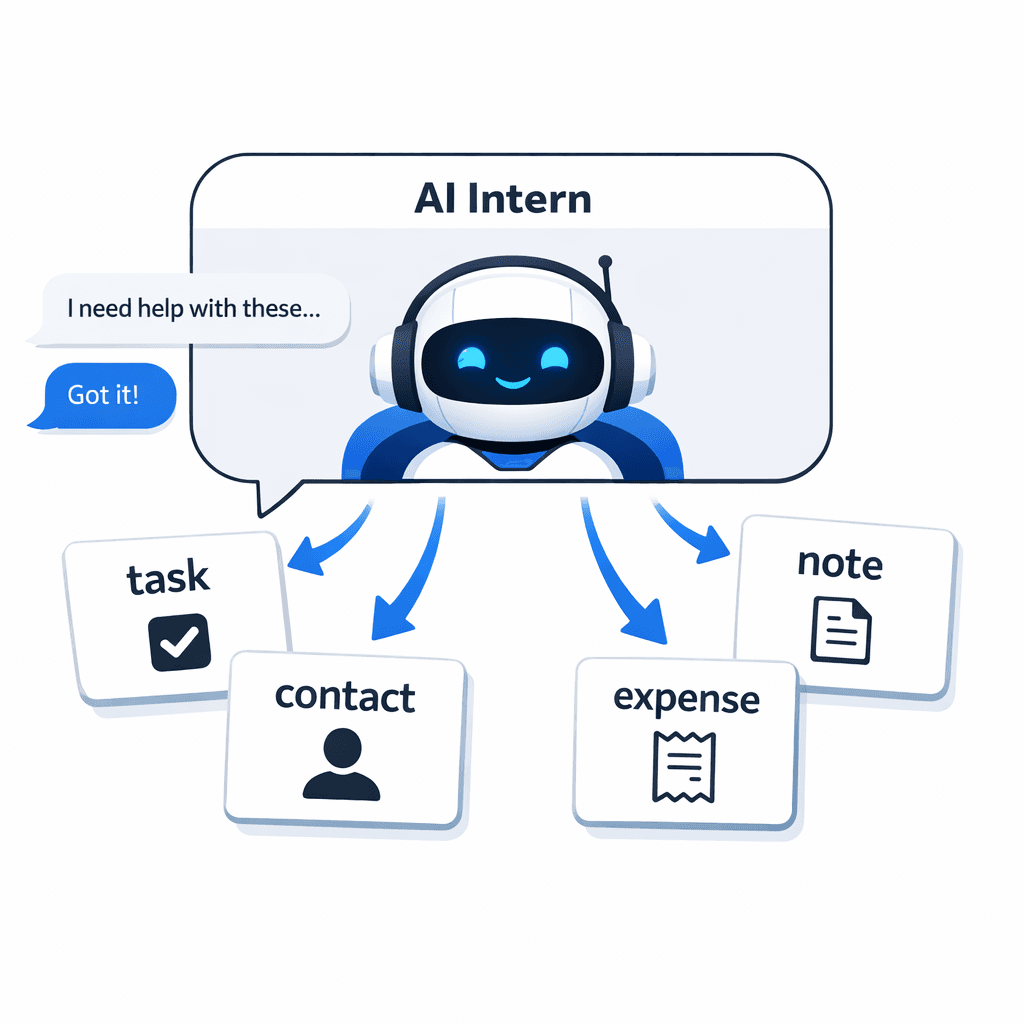
So we leaned into the metaphor we kept circling back to: Notis as an AI intern. Not a magical omniscient robot. Not a “copilot” that still asks you to drive. An intern who sits in the communication layer and does the tedious follow-through.
In the explainer, that means we show Notis where the work actually starts: inside iMessage, Telegram, Slack, and email. We explicitly do not show WhatsApp in this version.
It’s a subtle decision, but it changes the whole feel. You’re not “using Notis.” You’re messaging someone who can do things on your behalf.
The creative trick: show the breadth without listing the breadth
There’s a classic failure mode in AI marketing: you try to prove capability by listing capabilities. The result is always the same. Viewers tune out, because a feature list is not an emotion.
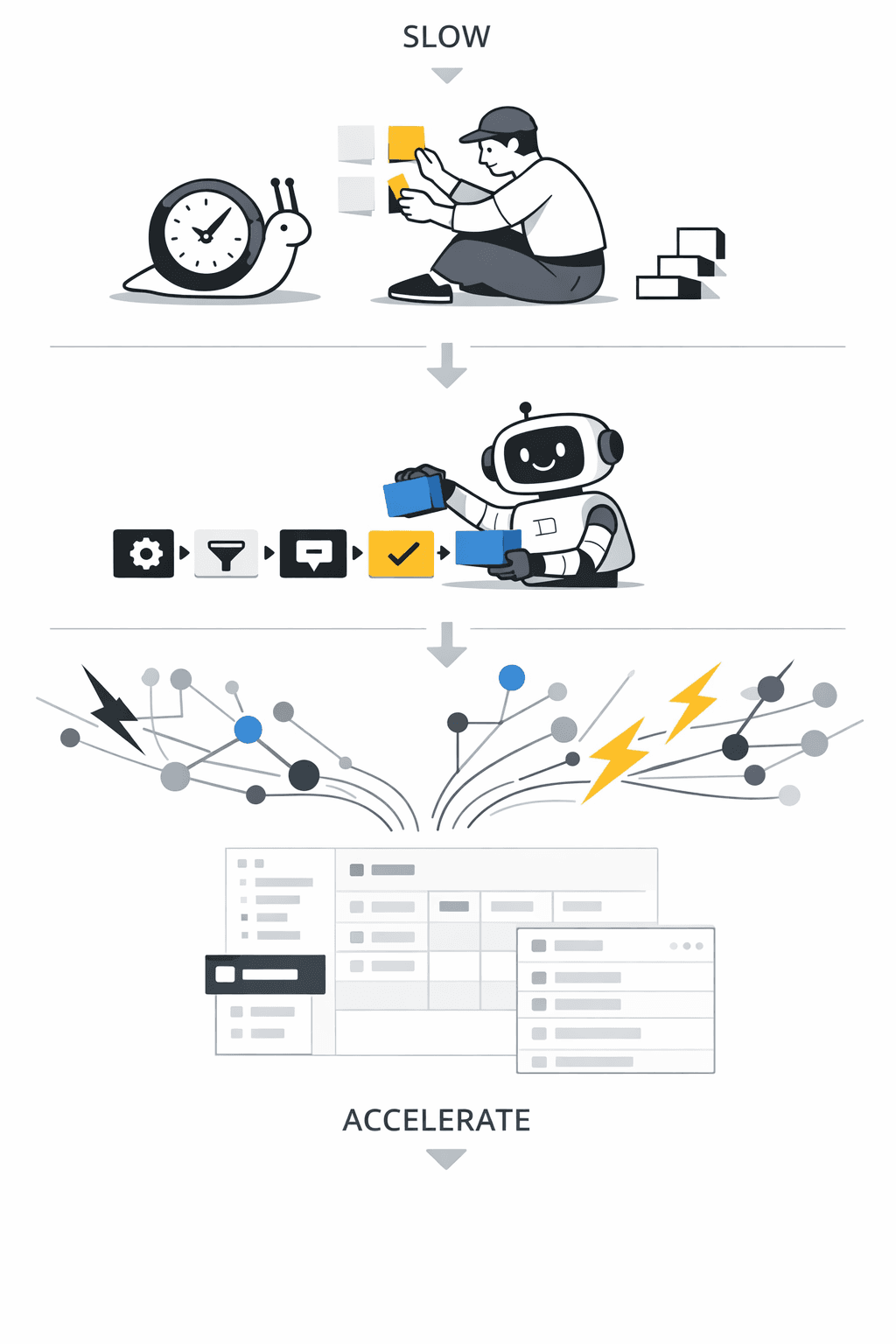
In our script review, the moment we got excited about was a simple visual idea: start slow, then accelerate.
First, you see a few familiar outcomes appear one by one. A task. A note. A reminder. You understand the mechanism.
Then the pace changes. The interface keeps updating with more and more outcomes—fast enough that you can’t read each one, but clear enough that you get the point. At that moment, the voiceover keeps flowing on a different sentence. The narration and visuals decouple.
That’s the entire trick.
It produces a feeling, not a list. The feeling is: this goes on forever.
And then we stop it abruptly and hit the line that basically summarizes the whole product without overselling it: I mean, EVERYTHING.
Integrations: imply infinity, stay honest
Notis plugs into a lot of tools. The temptation is to parade every logo until the screen looks like a conference sponsor wall.
But “look at all these logos” is not the same as “this will fit into my life.” The better move is to show a few recognizable tools and let the viewer’s brain do the rest. The point is coverage, not catalog.
So in the integration section, the visual approach is expansion: start with a handful of logos, then zoom out and let more appear until it feels unbounded. The viewer doesn’t need to count them. They just need to believe you won’t break the moment they have a slightly weird stack.
The real product is the hub
If you take one thing away from the explainer direction, it’s this: Notis is not a pile of integrations. Notis is an outcome.
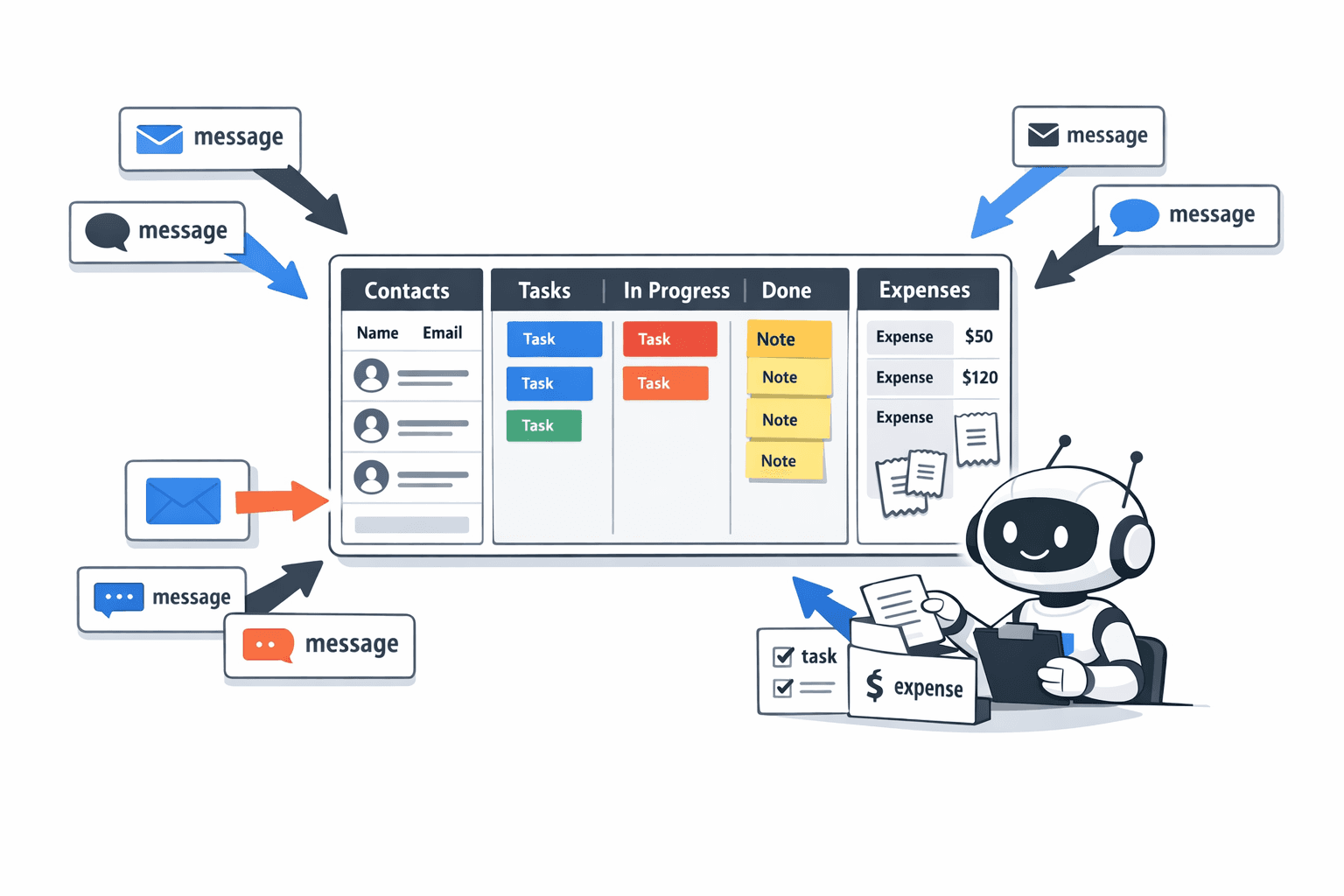
The outcome is that your operational brain stays clean. The work lands in the right database. The note ends up where you’ll find it. The task shows up where you actually execute. The CRM doesn’t decay. The expense doesn’t vanish into “I’ll deal with it later.”
Notion is where that outcome becomes real. It’s the system of record. Notis is the interface layer that lets you keep living in messages while your workspace stays structured.
What I’m optimizing for with this explainer
I’m not trying to convince someone that Notis can do one impressive trick. I’m trying to make a founder feel recognized.
If you’ve got a messy mind and a busy calendar, the dream isn’t a prettier summary. The dream is fewer open loops.
That’s why we rewrote the script around higher-value workflows, why we leaned into the AI intern metaphor, and why the acceleration sequence matters so much. It’s the closest thing we’ve found to showing the product truthfully without turning the video into a spreadsheet.
And if we did our job right, the viewer doesn’t just understand Notis. They feel the relief of it.

Flo is the founder of Mind the Flo, an Agentic Studio specialized into messaging and voice agents.
Related posts
The only moat left for AI products: ICP clarity + a content machine
This article discusses the importance of having a clear ideal customer profile (ICP) and a robust content strategy for AI product success. The author shares insights from their experience with Notis, highlighting revenue growth, user demographics, and the need for multi-use-case functionality. They emphasize that effective distribution and personal branding are crucial for standing out in a crowded market. The piece concludes with a focus on educational content as a means to maintain competitiveness.
What I learned growing Notis on $3K/month (and why messaging-first changes everything)
In "What I learned growing Notis on $3K/month," the author shares insights on building a messaging-first productivity tool that integrates with platforms like WhatsApp and Telegram, emphasizing the importance of reducing friction in capturing ideas. They discuss early growth metrics, effective marketing strategies on Twitter/X, and challenges with Google ads and newsletters. The focus is on improving key metrics and potentially seeking funding to scale the successful bootstrapped model.
The Messaging-First Wedge: What’s Actually Working for Notis Right Now
Notis is a messaging-first AI assistant designed to enhance productivity by integrating with Notion databases, allowing users to interact seamlessly through familiar messaging platforms. Currently at $1k MRR, Notis aims to expand its capabilities and distribution channels while addressing platform dependency challenges.