

6 Paperclip Alternatives, Priced Honestly (2026)
Paperclip is free to licence but not free to run: its own docs warn an active agent team spends $20-100+ a month on model usage, and budgets are enforced by pausing agents. Five alternatives compared on what each one actually charges against, plus our own.
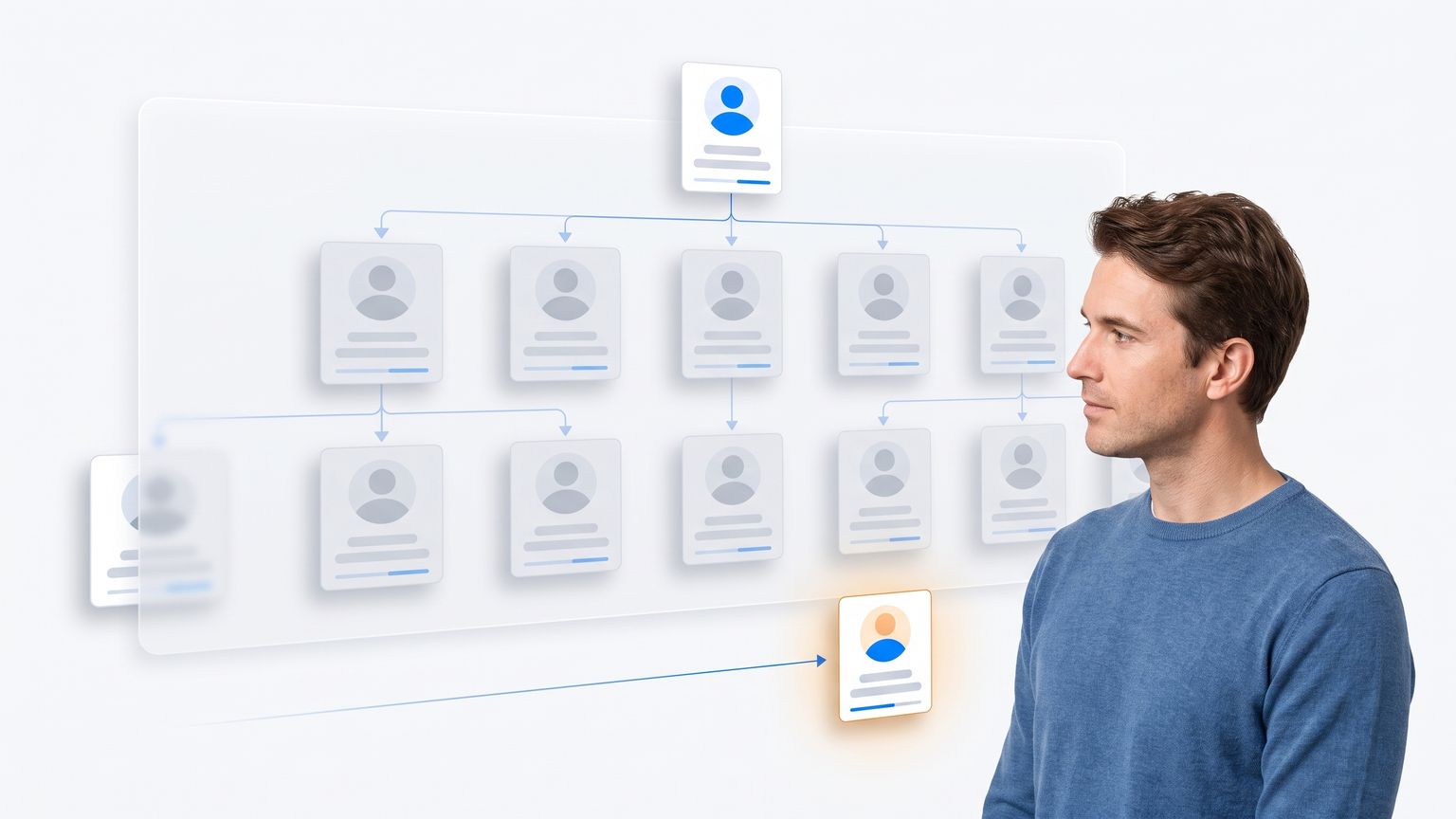
Paperclip is one of the more genuinely interesting things to appear in the agent space this year. It is an MIT-licensed control plane where you hire AI agents as employees: each one gets a role, a manager, a monthly budget and a seat on an org chart, and their work moves across a task board while you approve the important calls. The pitch is a company that runs itself on your own hardware.
People rarely go looking for Paperclip alternatives because they disagree with that pitch. They go looking in week two, when they find out what the zero on the pricing page actually means.

The real reason people leave Paperclip
The licence is free. The bill is not. Paperclip's own documentation says it in one sentence: "Using AI agents costs money. Anthropic and OpenAI charge per use, and an active agent team can spend $20-100+ per month depending on how many agents you run and how often they work." That is the real price tag, and notice what it is charged against: not seats, not tasks, not workflow runs, but model usage from a provider you contract with separately. Hire more agents or raise their heartbeat frequency and the number moves. Nothing in Paperclip's price page moves with it, because Paperclip does not have one.
The second surprise is how budgets are enforced. Paperclip's key concepts page is explicit: at 80% of budget utilisation you get a warning, and at 100% "the agent is automatically paused and no more heartbeats fire" - and an agent can be paused by its own budget even when the company still has budget left. That is the honest design for spend control, and it is also the reason the failure mode of an AI company is silence. Your marketing agent did not fail. It ran out of allowance on the 19th.
Third, there is nothing hosted to buy. The Paperclip site offers a waitlist for cloud alongside the local install, and no price is published for it. So "free" also means you own the uptime: Node 24.11 or newer, your laptop or a VPS, and whatever happens to a long-running agent process when the machine sleeps.
Fourth - and this is the one that sends most people elsewhere - Paperclip is a control plane for coding agents, not an assistant. Agents work in heartbeats, scheduled execution windows in which they check an inbox and act. If what you wanted was something you could message at 8pm to reschedule a meeting and file a note, an org chart with approval gates is a lot of governance for a two-line request.
None of that is a bug. It is the deal Paperclip offers. Below are six products that offer a different deal, and the last one is ours.
How I picked these alternatives
Three rules, applied without exception.
- Every price, licence and limit in this article comes from the vendor's own site, documentation or public repository. No review aggregators, no roundup blogs, no screenshots of pricing pages from 2024.
- If I could not source a tool first-party, it is not here. CrewAI was a natural candidate - its pricing page publishes a free tier of 50 workflow executions per month - but the paid tier is "contact us", and I am not going to tell you what something costs when the vendor will not.
- Every entry names the unit the money is charged against, and gets one honest catch. Including ours.
One disclosure on method: Devin's public pricing page rate-limited every request I made to it, so the Devin section below cites only its documentation and deliberately quotes no dollar figure. That is a gap, and it is better to show you the gap than to guess.
The short version
- OpenHands - the closest like-for-like swap. Open source, self-hostable, plus a hosted tier that is free up to 10 conversations a day.
- Vibe Kanban - a free board for running many coding agents in parallel. Open source, and now community maintained rather than commercially supported.
- Factory - buy the platform instead of running it. Priced per person, $20 to $200 a month.
- Devin - billed against agent effort rather than seats, which is the right shape and the hardest to forecast.
- n8n - if what you actually wanted was scheduled automation. Billed per execution, source-available under a licence with real restrictions.
- Notis - our own. An assistant you message from WhatsApp, iMessage, Telegram, Slack or email, metered per task.
1. OpenHands: the closest like-for-like swap
If you like the shape of Paperclip - open source, runs where you tell it, brings its own model keys - OpenHands is the most direct replacement. It is, in its own words, an open source platform for software engineering agents, runs locally through Docker with a web GUI and a CLI, and unlike Paperclip it also has a hosted product you can sign up for today.
The hosted individual plan is free for one user with up to 10 conversations a day, and if you use their model provider the tokens are billed at cost with no markup. That is a meaningfully different pricing axis from Paperclip's: the unit here is a conversation per day for access, and then raw token spend for the work. There is no org chart, no CEO agent, no approval gate on hiring. You get an agent that reads your repository and does the task.
The catch: ten conversations a day is a real ceiling for anyone using this daily, and the local path still means Docker, a projects directory and your own provider keys. Free is only free if your evening is.
2. Vibe Kanban: a free board for parallel coding agents
Paperclip's task board is one of its best ideas, and Vibe Kanban is that idea with nothing else attached. You run npx vibe-kanban, describe the work, and it fans tasks out to coding agents in isolated workspaces so you spend your time planning and reviewing diffs rather than typing prompts. It switches between more than ten coding agents - Claude Code, Codex, Gemini CLI, Copilot, Amp, Cursor, OpenCode and others - which is the same anti-lock-in argument Paperclip makes with its adapters.
Installation is one command, and you pay nothing for the tool itself. As with Paperclip, the money leaves through your agent subscriptions and API keys, not through the orchestrator.
The catch: the project's own homepage states that Vibe Kanban is sunsetting and "will continue as open source and community maintained". A community-maintained repo is a perfectly good thing to depend on if you can read the code. It is a bad thing to depend on if you need someone to be accountable for a regression.
3. Factory: when you would rather buy the platform than run it
Factory is the answer to "I want agents doing engineering work, I do not want to operate the control plane". Its droids run across your terminal, IDE and browser, and the whole thing is a managed product with published prices: Pro at $20/mo, Plus at $100/mo with roughly 5x the usage of Pro, and Max at $200/mo with roughly 10x. Business and Enterprise are custom priced with SSO, SAML/SCIM and audit logging.
Compared with Paperclip, you are trading control for a maintained surface. There is no self-hosting story and no MIT licence to audit, but there is also no Node version to keep current and no question about who restarts the process.
The catch: the plans are priced in dollars but the usage they buy is described as "roughly 5x" and "roughly 10x" of the tier below, not in a unit you can count in advance. You cannot model your bill from the pricing page, and there is no free tier to test the ceiling on.
4. Devin: when the bill should track agent effort
Devin is worth a look precisely because of the axis it bills on. Its documentation explains that enterprise usage is measured in Agent Compute Units, and that ACU consumption accrues from the number and complexity of the actions Devin takes - planning, context gathering, execution, browser actions, code execution - plus virtual machine time and networking bandwidth. Self-serve plans run on an included quota plus on-demand credits.
Think about what that means next to Paperclip. Paperclip's budget is a cap you set on money leaving your Anthropic account; Devin's ACU is the vendor's own measurement of how hard the agent worked, including the compute it sat on. If you believe agent pricing should track effort rather than headcount, this is the most developed version of that idea shipping today.
The catch: effort-based units are the hardest thing on this page to forecast, because you cannot know how many actions a task will take until it takes them. And as noted above, Devin's public pricing page would not serve me a response, so I will not quote you a per-ACU rate.
5. n8n: when you wanted scheduled automation, not an org chart
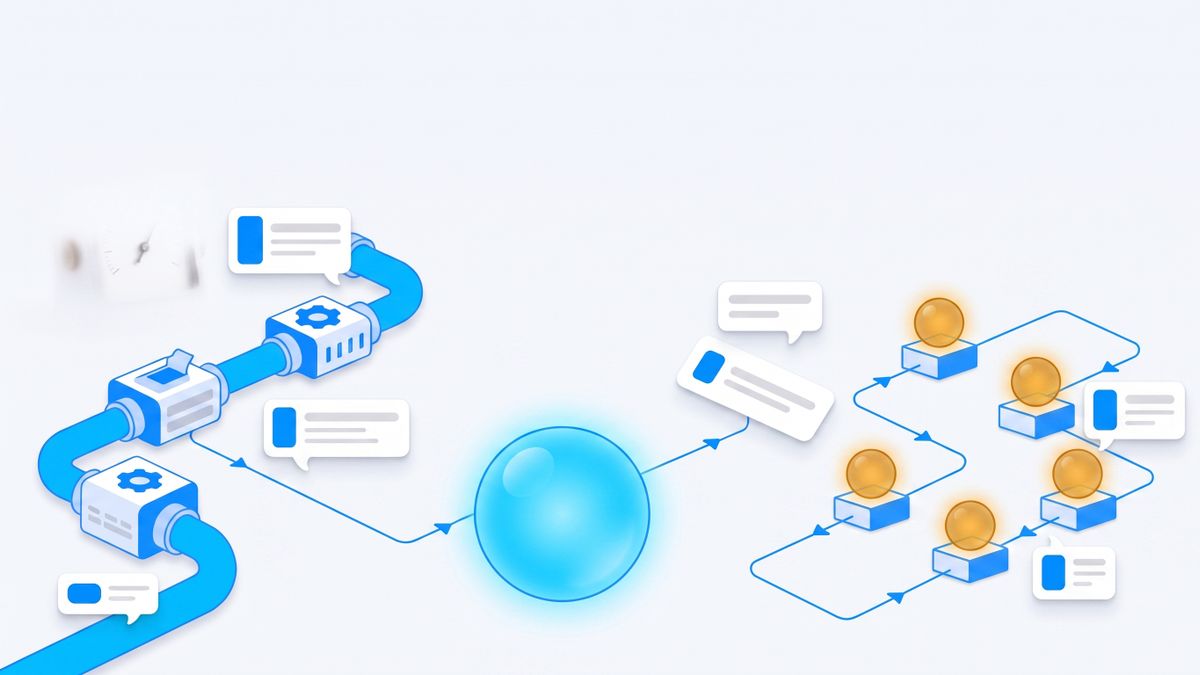
A large share of people who install an agent workforce actually wanted five reliable scheduled jobs. n8n is the honest version of that: a self-hostable workflow tool with AI agent nodes, where the unit is unambiguous. Its pricing page defines an execution as "a single run of your entire workflow. It doesn't matter how many steps are in the workflow" - so a 40-node workflow and a 3-node workflow cost the same to run, which is the opposite of how most task-priced tools behave.
Starter is quoted at 20 EUR per month for 2,500 executions, Pro at 50 EUR for 10,000. Read the small print: those are the annual rates, billed annually. The monthly-billed price is higher, and n8n puts the discounted figure in front of you by default.
The catch: n8n is fair-code, not open source. The Sustainable Use License permits use for your own internal business purposes or non-commercial use, and restricts distributing or providing the software to others commercially. If you were leaving Paperclip because you wanted a genuinely permissive licence, n8n is a step backwards from MIT.
6. Notis: an assistant in the apps you already message from
Disclosure: Notis is our product. It is last on this list because it should be, and because it is the least like Paperclip of anything here. Paperclip runs an autonomous company; Notis is a personal assistant that does your day-to-day work across the services you already use.
You message it from WhatsApp, iMessage, Telegram, Slack or email, and it acts on your calendar, inbox, Notion, documents and more than a thousand integrations, with long-term memory and scheduled automations. It also runs inside your coding agent through its MCP server, which is the one place its story overlaps with Paperclip's: if you already live in Claude Code or Codex, your assistant, skills and memory are available there too.
Pricing is metered per task rather than per seat or per execution. Pro is $20/mo, Pro+ is $59/mo and Ultra is $149/mo, sized at roughly 230, 680 and 1,700 tasks respectively, with a 7-day trial that includes $20 of usage. The free tier is the CLI.
The catch, honestly: Notis is not open source and cannot be self-hosted, which is the exact thing Paperclip is best at. There is no Notis mobile app - mobile means the messaging apps already on your phone - and the free tier is CLI-only, so messaging channels start at $20/mo. And Notis will not give you an org chart of coding agents with budgets and approval gates. If that is the product you want, one of the five above is a better answer than ours.
Which should you choose
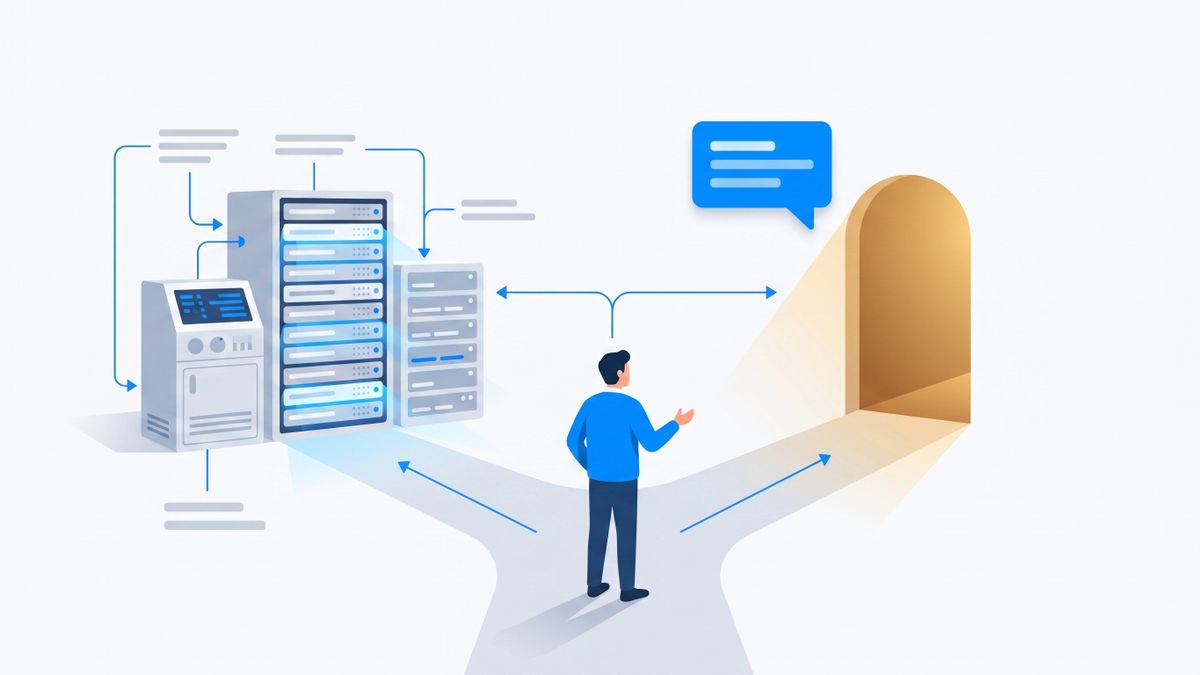
Match the tool to the axis you are unhappy about.
- You liked Paperclip but want a hosted option that exists today: OpenHands.
- You only ever used the task board: Vibe Kanban, if you can live without a vendor behind it.
- You do not want to operate anything: Factory.
- You want the bill to reflect how hard the agent worked: Devin.
- You wanted dependable scheduled jobs, not employees: n8n.
- You wanted an assistant for your own work rather than a workforce for your code: Notis.
My verdict
Paperclip is not badly priced. It is unpriced, and that is a different risk. When the orchestrator is free, every cost you meet is one you have to discover yourself: provider spend that climbs with heartbeat frequency, an agent that stops at 100% budget without telling anyone downstream, a Node runtime you now maintain, and a cloud plan that is still a waitlist. Teams who are comfortable owning infrastructure get an enormous amount for the price of the electricity. Teams who are not will spend more in attention than they saved in licence fees.
If you want the same philosophy with a working escape hatch, OpenHands is the swap. If you want the bill to be someone else's problem, Factory or Devin. If you want to stop pretending you needed an AI company at all, n8n or Notis will do the actual work you were trying to delegate.
Sources and research notes
Paperclip's cost estimate, budget-pause behaviour and heartbeat model come from its own documentation at docs.paperclip.ing; the MIT licence and Node 24.11+ requirement from paperclip.ing and the paperclipai/paperclip repository; the absence of a published cloud price from the waitlist on paperclip.ing. OpenHands pricing, the 10-conversations-a-day free limit and its description of itself as an open source platform come from openhands.dev. Vibe Kanban's sunsetting notice, agent list and one-command install come from vibekanban.com. Factory's plan prices come from factory.ai/pricing. Devin's ACU definition and what drives consumption come from docs.devin.ai. n8n's execution definition and annual-billed plan prices come from n8n.io/pricing, and the Sustainable Use License terms from the LICENSE file in n8n-io/n8n. Notis figures come from notis.ai/pricing and help.notis.ai.
Everything was checked in August 2026. Prices on this page move without notice, and the annual-versus-monthly distinction moves quietly - verify against the vendor before you commit a budget.

Flo is the founder of Mind the Flo, an Agentic Studio specialized into messaging and voice agents.
Related posts
Manus AI Review: The Agent Is Great, The Meter Is the Problem
A hands-on Manus AI review: what the agent is genuinely good at, where it quietly fails, what credits really cost, and who should pay for it.
6 Sunsama Alternatives in 2026, Compared by What They Actually Charge You For
Sunsama says on its own pricing page that it will never have a free plan. Here are six alternatives compared on the axis that decides your bill: seats, AI agents, AI credits, scheduling weeks or tasks. Every price quoted from the vendor's own site.
Is Poke AI Safe? A Founder’s Privacy Checklist for Messaging AI Assistants
Poke is a serious messaging-native AI assistant, but safety depends on permissions, retention, human access, model training, and deletion controls. Here is